

Updated on February 27, 2024 by Ryan Koenig

In recent years, the medical spa industry has gained so much attention that its market value has ballooned to $16.3 billion in 2022. Market statistics show this number is expected to grow to $63.4 billion by 2032.
Medical spa businesses offer a combination of medical and traditional spa services. In addition to the common spa services, like massages and facials, medical spas take the game a notch higher by offering medical-grade procedures with faster and more evident solutions.
The increasing popularity of the market shows how people are becoming more conscious of aesthetics while being mindful of the procedures done to them.
If you are aspiring to open a medical spa of your own, then there are a few things that you need to be aware of. Read through this blog and learn the critical factors and steps for opening a successful medical spa in no time.
Table of Contents
Key Takeaways
1. A medical spa is a business that combines the services offered in a traditional spa with medical-grade aesthetic procedures.
2. Opening a medical spa requires strict planning. Use the checklist we made in this article for a successful launch.
3. Laser Service Solutions offers laser equipment and parts services to help you expand your service offerings in your medical spa business. We also offer laser equipment rental services for businesses in the mid-Atlantic region.
What Is a Medical Spa?
A medical spa is a hybrid business between a traditional spa business and a medical clinic. This type of business often focuses on nonsurgical aesthetic treatments that are performed under the supervision of a licensed healthcare professional.
Medical spas, otherwise known as med spa or medi-spa, offer a more medically backed-up approach to wellness and beauty services. They provide aesthetic, non-surgical procedures that use medical-grade treatments for more effectiveness and faster results.
Some of the common medical services offered in a medical spa business include the following:
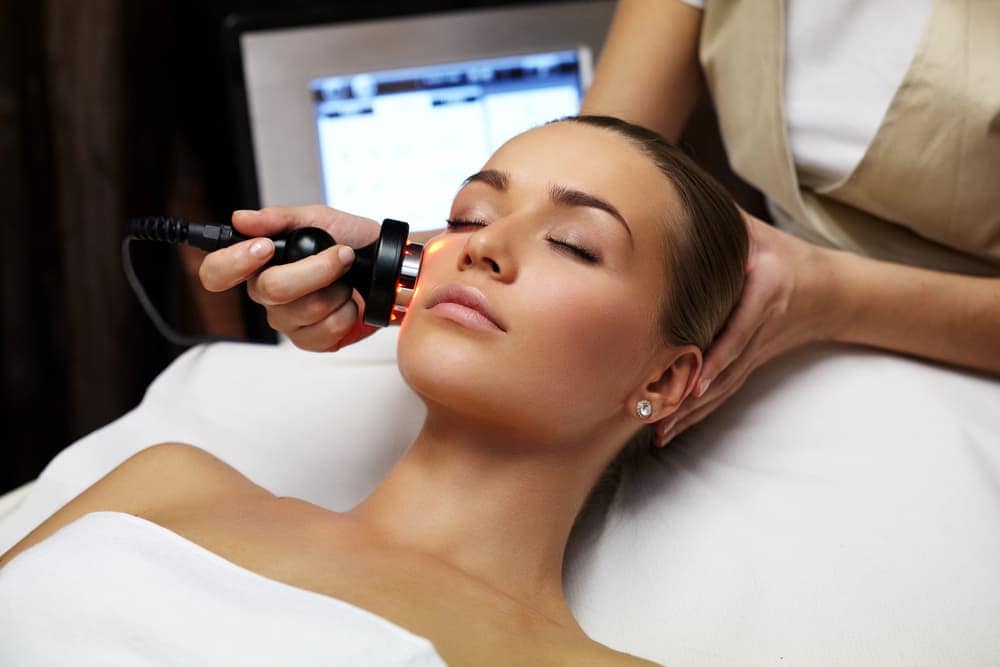
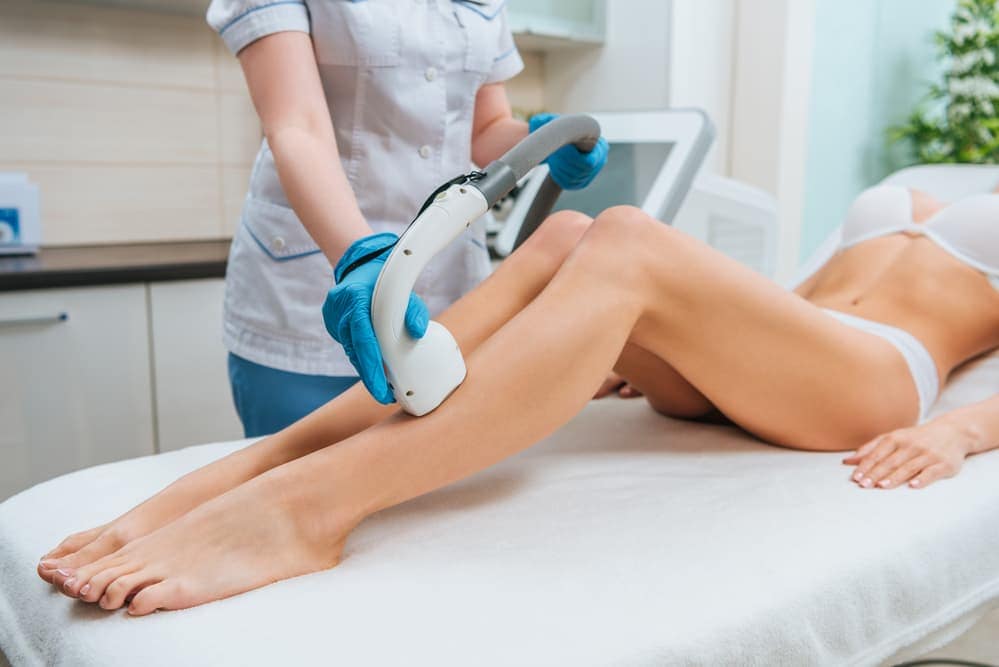
- Laser treatments (e.g., laser hair removal or skin resurfacing)
- Chemical peels
- Botox
- Injectable fillers
- Non-invasive fat reduction
- Microneedling
- Medical-grade facials
Note that medical spas are more focused on wellness and beauty. As such, they do not offer alternatives to treating medical conditions that require invasive procedures, such as surgeries.
Who Can Open a Medical Spa Business?
Ideally, only licensed physicians and aestheticians can open and own a med spa business. A physician specializing in dermatology, plastic surgery, and other fields best fits the requirements for opening a medical spa.
Having a licensed physician own a medical spa ensures that a trained professional regulates and supervises the business. It ensures that all procedures are properly guided and comply with strict medical regulations.
We say ideally because this is not always the case. In some parts of the US, such as in Florida, medical spas do not necessarily need to be owned by a physician. However, the business must have an in-house medical professional overseeing the procedures.
Owning a medical spa requires both specialization in aesthetic treatments and business management. It’s important to note that the specific requirements for operating a medical spa can vary by location, as regulations and licensing standards differ.
Opening a Medical Spa Checklist
Thinking about opening your own med spa? Like any other business, opening a medical spa requires careful planning and well-thought-out steps. The lack of sufficient planning can be a hurdle when you start your operations.
Here is a comprehensive checklist of what you must accomplish to ensure a successful medical spa opening:

Step 1. Create a Business Plan
Every great business has a comprehensive plan. The first thing you need to create is a business plan which includes the outline of your business’s vision, mission, target market, concept, risk analysis, and financial projections.
A business plan for a medical spa business typically includes clear strategies on what services you will be offering. It also includes a clear list of your business’s specializations and appropriate strategies for mitigating potential risks.
Your business plan must clearly describe the overall concept of your business and include information on how you plan on marketing the business.
When seeking funding from potential partners and investors, you will need a business plan. As such, your business plan must sound confident and comprehensively analyze the medical spa market.
Step 2. Secure a Source of Funding
Opening a medical spa is not cheap in any sense. Purchasing the equipment and other materials for every procedure you offer will cost you money.
As such, it is crucial to secure your capital. You can easily estimate the start-up cost you will need once you have a business plan. In this document, you will get an itemized list of the equipment, facility costs, and other expenses you must cover.
Some business loan organizations can help you fund your business. There are organizations that specialize in funding equipment, whereas others can provide you with the main capital cost you need.
Always remember that running a medical spa business requires investing in the latest technology to get a step further than anyone else. Therefore, you will need more money as you progress with the business.
Step 3. Find a Good Location for the Business
Select a suitable location that meets zoning requirements and has good accessibility for your potential customers. Selecting a comfortable location to set up your business is crucial, especially for a business that offers wellness services.
Ensure the facility complies with health and safety regulations, including sanitation and infection control measures. The location of your business can also determine the regulations you will need to comply with.
Step 4. Acquire Mandatory Licenses and Permits
Med spa businesses deal with services concerning health and wellness. As such, health departments heavily regulate them and require several licenses and permits. This is in addition to the common business permits needed to be secured.
Bear in mind that the required licenses and permits to operate will greatly vary depending on the location of your business and the services offered.
Some of the general licenses and permits you need include the following:
- Business permit
- Healthcare facility license
- Occupancy permit
- Medical director’s license
- Professional licenses for staff
- Aesthetics license for non-medical staff
- HIPAA compliance
- Infection control permits
For locations that do not require the owner to be a licensed physician, you may need to establish a management services organization (MSO) showing that you are working with a physician.
Your business’s required licenses and permits can also become more extensive as the number of services you offer expands. It’s crucial to consult with legal and regulatory professionals in your jurisdiction to ensure you fully comply with all applicable laws.
This step includes searching for the perfect business insurance for your medical spa.
Step 5. Purchase Equipment
This step will probably take up the majority of your capital. First, find a credible supplier who can accommodate your business needs. A list of the equipment you will be using in your business plan must be clearly itemized.
The equipment you need to purchase will depend on the medical procedures you plan to offer. In any equipment you will be purchasing, there will surely be a lot of choices. Buying your equipment is not the time to cut corners or cheap out as they can determine the quality of your services.
Do invest in high-quality, medical-grade equipment and care products for your business. Some businesses offer rental services for equipment in case you want to test a service’s reception before committing.
Here is a pro tip: Consult Laser Solution Services for your laser technology needs. Our team can provide expert advice on the latest laser solutions and offer service repairs. We also offer laser equipment rental services for businesses in the mid-Atlantic region.
Step 6. Select and Hire Staff
Hire licensed and trained professionals for various roles, such as aestheticians, nurses, and administrative staff. While training and seminars are available to improve the skills of your staff, hiring skilled personnel can be advantageous for your business.
Ensure staff is knowledgeable about medical spa treatments and follows ethical guidelines. Ideally, your staff must have the appropriate licenses to operate medical-grade equipment and perform procedures.
Step 7. Finish Required Training
Before starting operations, ensure that all staff and medical professionals receive proper training and orientation related to your business. This will ensure your customers that all staff members are certified to conduct wellness services.
This step also includes providing staff with training programs and seminars to improve and update their skills.
Step 8. Market Your Medical Spa Business
After preparing your business, setting up all pieces of equipment, and stationing your employees, the next step is to gather your customers. The best way to market your medical spa business is by building a strong brand identity.
Utilize digital marketing, social media, and partnerships to reach your target audience. Digital or social media marketing strategies work best nowadays. Invest in a marketing agency with a proven track record to help spread the word about your business.
What License Do You Need to Open a Medical Spa?
Business operation permits aside, opening a new medical spa requires owners to have particular licenses. Most states in America require a medical spa owner to be a licensed physician.
For states like California, the owner of the medical spa must be a licensed medical professional. If not, at least the major shareholder of the business must be.
In other states, nurse practitioners and physician assistants can own a medical spa. In such cases, regulations usually require at least one physician to facilitate procedures.
If you are looking into starting your own medical spa, the first thing you need to consult is your local health department regulations.
Get Expert Advice and Start Your Medical Spa With the Help of Laser Service Solutions
Are you already set up and ready to open your medical spa or are you still considering how to avail your equipment? Laser Service Solutions can help you!
With our services, you can experience using some of the latest laser technology for the medical spa industry without spending most of your capital. Laser Service Solutions offers rental services for the newest aesthetic laser and pulsed light technologies for businesses in PA, NJ, NY, DE, MD, and VA.
Our team also provides aesthetic services for physicians worldwide. Expand your list of services without spending a fortune or a long-term commitment.
Contact us today and get expert advice and a quotation from our team members!
FAQs