


Key Takeaways
1. Alexandrite is a 755 nm laser built for efficient, melanin-targeted hair reduction, commonly used for high-demand areas when the patient profile fits.
2. The performance of this laser machine comes down to real operational factors, such as spot size, cooling consistency, sustained firing behavior, and a reliable service plan.
3. If you want flexibility without downtime stress, go for Laser Service Solutions, as we support clinics with aesthetic laser rentals and service so you can add capacity, test demand, or cover downtime.
What Is an Alexandrite Laser Machine?
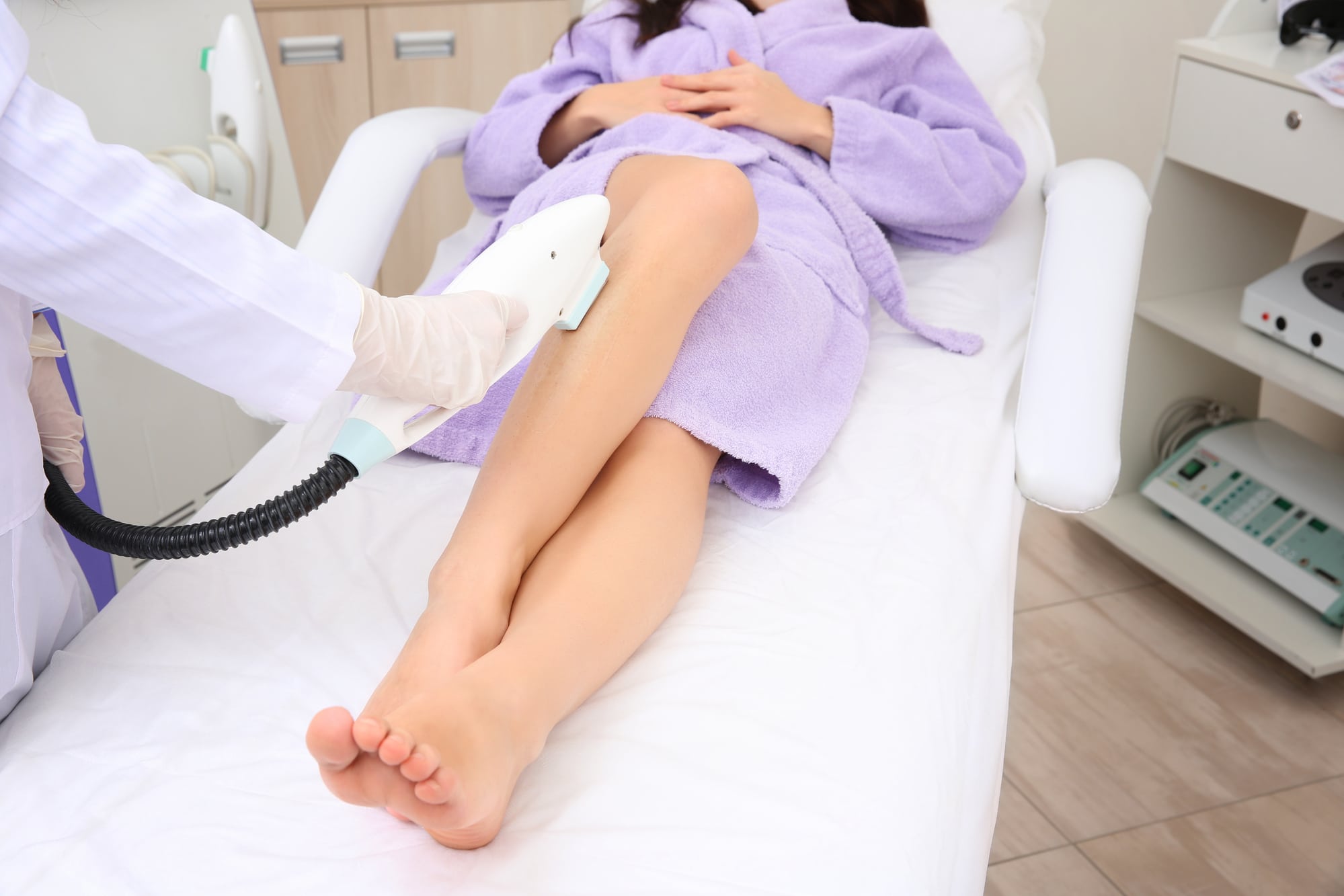
An alexandrite laser machine is a medical-grade aesthetic laser that uses a 755 nm wavelength to target melanin in hair follicles, making it a widely used option for long-term hair reduction.
In practice, many clinics refer to it as an Alex laser hair removal machine, but that phrase is simply shorthand for an Alexandrite-based hair removal system, not a different technology.
At a high level, an alexandrite laser tends to serve people best when the goal is fast treatments with strong melanin targeting, which is why many practices rely on it for common, high-demand areas like legs, underarms, and bikini areas.
It is often considered a strong fit for patients with darker hair and lighter-to-medium skin tones, while clinics may choose different wavelengths or hybrid platforms for a broader range of skin tones or when added versatility is required.
Why Alexandrite Became the “Gold Standard”
Alexandrite hair-removal lasers emit light at 755 nm, a wavelength chosen because hair removal relies on selective photothermolysis: melanin absorbs the light energy, converts it to heat, and that heat damages the follicle structures responsible for regrowth.
The Practical Reason Clinics Like It
From an operator perspective, Alexandrite systems fit busy hair-reduction workflows because they are commonly designed to treat large areas efficiently while still adhering to a controlled safety model (patient selection, parameter discipline, and epidermal protection).
1. Large Areas Are Easier to Cover When Spot Sizes Are Large
Spot size matters because it affects coverage per pulse and can influence clinical effect. A commonly cited spot-size comparison in axillary hair removal found that 18 mm performed better than 12 mm at follow-up, which is one reason many platforms prioritize larger handpieces for body areas.
A dermatology review on laser treatment for hirsutism also explains why larger spot sizes are operationally attractive: they help treat large areas (e.g., legs, back) more easily and can improve efficacy through optical effects such as photon recycling and deeper penetration.
2. Treatment Time: Fewer Passes Over the Same Area
When the spot is larger, you typically need fewer stamps to cover legs, backs, and arms, which can reduce variability in appointment time. That is a workflow advantage, especially when a clinic is balancing consults, numbing time, and room turnover.
3. The Cooling Model Is a Meaningful Part of Comfort and Safety
Many alexandrite hair-removal systems pair the wavelength with active epidermal protection (for example, cooling approaches are built into treatment protocols and device design).
Clinical reports of long-pulsed 755 nm systems often describe their use in combination with cooling strategies. This reflects how practitioners manage epidermal melanin competition while aiming to achieve follicular heating.
For consumers, the American Academy of Dermatology’s patient guidance describes the sensation as brief pulses and emphasizes use in controlled clinical environments and the use of protective eyewear.
How to Choose Aesthetic Equipment
What to Look for When Evaluating an Alex Laser Hair Removal Machine
An alexandrite laser can deliver excellent outcomes, but the day-to-day experience in a clinic depends on details that rarely show up in a product brochure.
If you are evaluating an Alex laser hair removal machine for purchase or planning a rental, the smartest approach is to review it like a working system. Here’s how:
Spot Size Options
Spot size influences how quickly you can cover an area and how consistent your coverage is. Larger spots typically mean fewer stamps across legs, backs, and arms, which supports faster sessions and smoother clinic flow.
Ask what spot sizes are available for the handpiece you will actually use day-to-day, and whether the larger spot sizes are intended for high-volume body work.
Cooling Performance
Cooling is not a comfort extra. It is part of the safety model because the epidermis can also absorb energy, especially when the skin has more competing pigment. Cooling helps protect the epidermis while still allowing enough follicular heating for effect.
Identify the cooling approach used (for example, cryogen spray cooling is commonly discussed in alexandrite hair removal literature) and confirm it is functioning consistently across long treatment days.
Long-pulsed 755 nm alexandrite hair removal studies often describe the role of cooling (including cryogen cooling) in ensuring safe delivery.
Repetition Rate
Repetition rate is the rate at which the device can fire consecutive pulses during treatment. In practical terms, it affects the treatment rhythm and how easily an operator can maintain consistent coverage.
Higher repetition can support efficient coverage, but only if the device maintains stable energy delivery and cooling performance at that pace, and only if the operator can avoid overlap and missed zones.
Ask how the system behaves during longer sessions: does performance remain consistent, does the handpiece heat up, does cooling remain stable, and does the system throttle output after sustained use?
Serviceability and Downtime Considerations
Hair removal revenue is schedule-driven. Downtime shows up as rebooking friction, lost appointment blocks, and patient dissatisfaction.
What to check
- How easily are common service tasks handled (filters, optics cleaning, cooling system checks)?
- Is there a clear preventive maintenance routine and documentation process?
- How quickly can a technician diagnose issues, and are loaners/rentals available when the device is down?
Maintenance Cadence
Most clinics operate on a combination of daily/weekly operator checks (cleaning, visual inspection, basic cooling system checks) and scheduled preventive maintenance with trained service.
Confirm what the manufacturer recommends and what your service partner will enforce in practice (including calibration checks and cooling-system upkeep). A predictable cadence is often preferable to reactive repairs because it supports scheduling confidence.
Laser Service Solutions itself recommends routine servicing intervals (for example, a six-month service cadence is referenced in their maintenance guidance).
Consumables and Parts Availability
Parts availability drives downtime length. If a clinic has a busy hair-reduction schedule, delays waiting on parts can be more disruptive than the repair itself.
What to check:
- Which components wear most often for that platform (handpiece windows, filters, cooling-related components, connectors).
- Whether parts are stocked locally by a service partner or must ship from far away.
- Whether parts are proprietary or have reliable third-party supply options.
Service Response Time and Support Model
Two clinics can own the same device and have completely different outcomes depending on the support model: responsiveness, triage quality, remote troubleshooting, and whether backup options exist.
What to check:
- Defined response windows (phone triage vs onsite visit)
- Availability of emergency support during peak clinic hours
- Whether the provider offers rentals/coverage options during downtime
- Documentation: service reports, parts replaced, calibration notes (useful for internal QA and consistency)
Buying vs Renting an Alexandrite Laser Machine
Choosing between buying and renting is less about which option is better and more about matching the machine to your operational reality. An alexandrite laser is a high-demand workhorse in many practices, but the right path depends on how predictable your bookings are, how you manage cash flow, and how much flexibility you need when demand shifts.
Use the sections below as decision logic:
When buying makes sense
You Have a Predictable Treatment Volume
Buying tends to work best when you can forecast steady hair-removal bookings month after month. If your schedule is already consistently full for core areas like legs, underarms, and bikini, ownership can support long-term planning and standardized protocols across your team.
You Have a Stable Cash Flow and a Clear Payback Window
Ownership is easier when cash flow is predictable enough to absorb fixed costs without forcing you to cut marketing, staffing, or complementary services. A practical internal test is whether you can fund the device and still maintain your normal operating buffer for payroll, supplies, and slower weeks.
You Expect Long-Term Utilization, Not Short Bursts of Demand
Buying aligns with the idea that the alexandrite laser will be a “daily driver,” not an occasional add-on. This is especially true if hair removal is a primary revenue line or a reliable entry service that feeds higher-value treatments later.
When Renting Makes Sense
You Want to Test Demand Before Committing
Renting gives you real-world feedback on booking conversion, repeat sessions, and patient satisfaction without locking you into a single platform.
This is often the most practical route when you are expanding into hair removal or changing your service menu and want proof that demand is durable.
You Deal With Seasonal Spikes and Promotion-Driven Surges
Hair removal volume often rises during certain seasons or around promotion cycles. Renting helps you add capacity during those peaks, then scale back without carrying year-round equipment costs when demand normalizes.
You Need Short-Term Capacity or a Second Room Setup
Even high-performing clinics hit bottlenecks when they run one machine across too many rooms or providers. Renting can relieve scheduling pressure, helping you maintain appointment availability, reduce wait times, and avoid overbooking your team.
You Want Downtime Coverage That Protects Revenue and Patient Trust
A laser being out of service is not only a repair issue; it is a scheduling issue with ripple effects. Renting can serve as a continuity plan, helping you keep treatment on track and avoid patient churn from repeated reschedules.
Renting Is Also a Cash Flow Protection Move
For many med spa owners, the highest-risk moment is tying up capital right before a slower quarter, a staffing change, or a marketing push. Renting keeps more cash available for the activities that drive demand, while still letting you deliver alexandrite-level treatments when you need them.
Rent an Alexandrite Laser With Laser Service Solutions
The alexandrite laser machine continues to hold its place because it solves a practical problem that clinics face every day: delivering consistent hair-reduction outcomes efficiently for the right patient profile.
Here’s what you should be doing next:
- Confirm your patient mix and goals. Review recent consults to see which skin types, hair types, and treatment areas you serve most.
- Check your clinic workflow. Make sure protocols, training, cooling use, and aftercare guidance are consistent across staff.
- Use Laser Service Solutions to stay flexible. Rent from Laser Service Solutions to add capacity, test demand, or cover downtime with delivery, setup, and training support in New Jersey and surrounding states.
Call (856) 853-7555 or email info@laserservicesolutions.com to check availability and reserve a rental.

